

About Alfredo Rubio de Castarlenas…
aims to carry out an interdisciplinary study of the work of Alfredo Rubio (1919-1996): to analyse his thought, show how it remains relevant in today’s sociocultural context, and identify the existential tools it offers to help us face the challenges we share as a society in the 21st century.
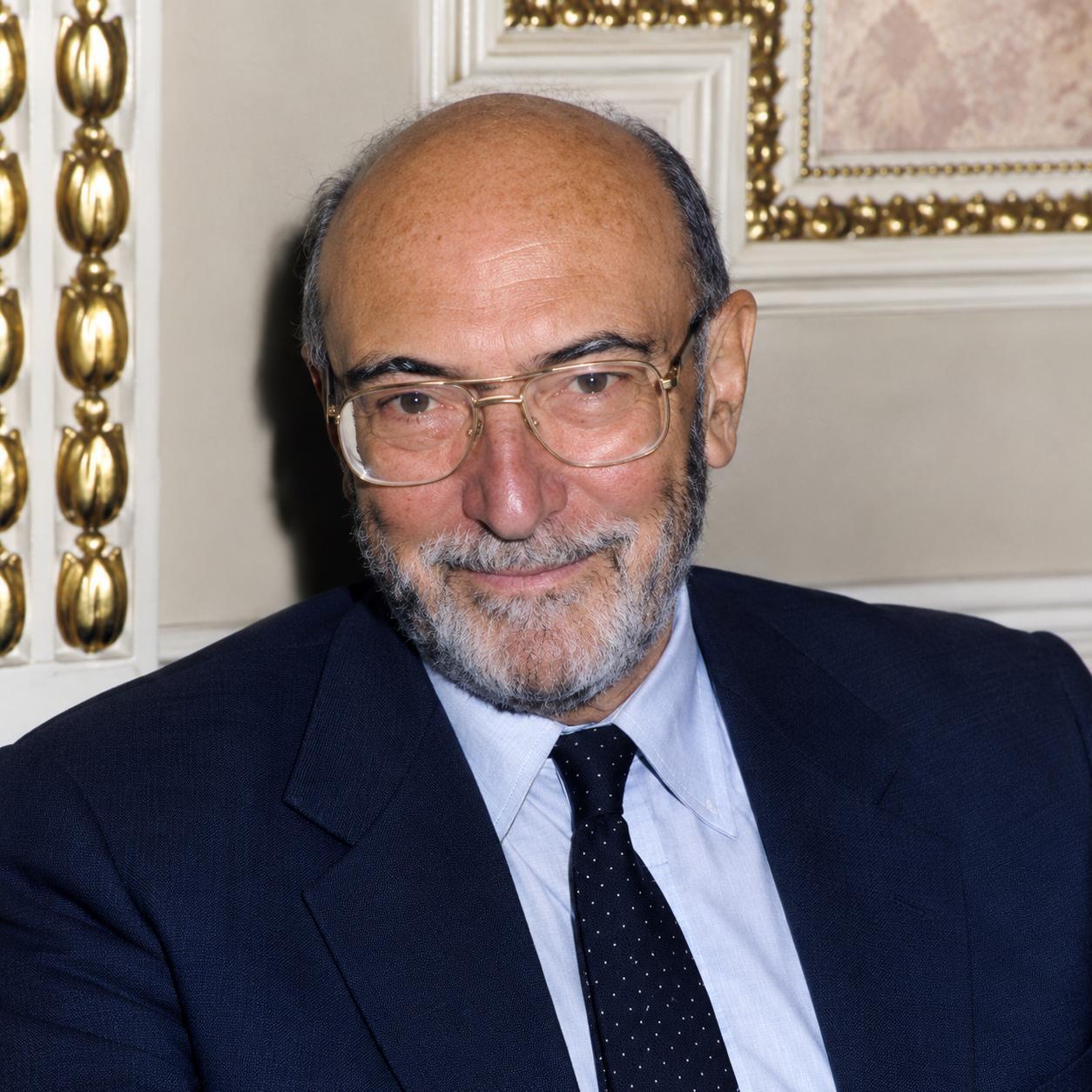
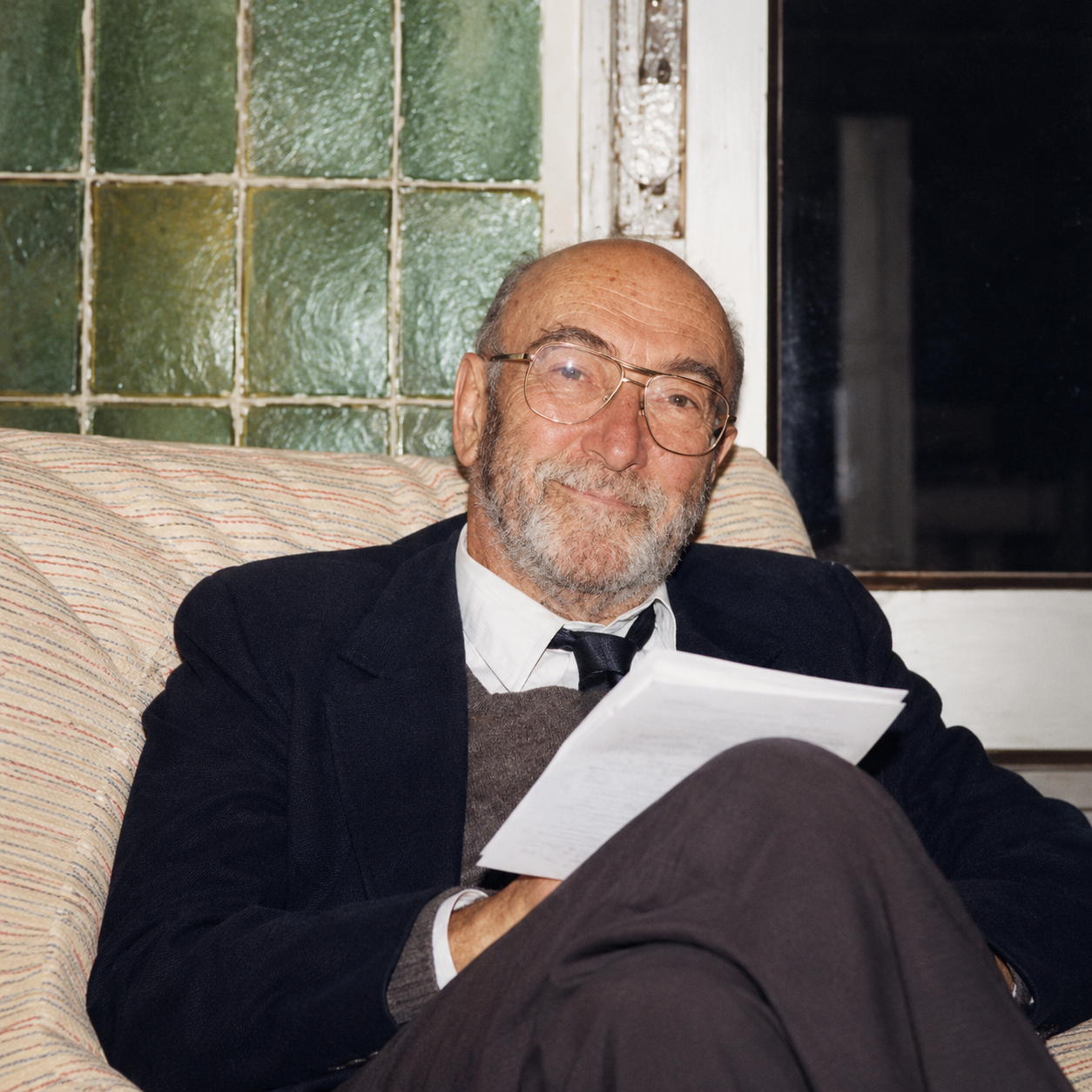

Biography
Biography
Alfredo Rubio de Castarlenas (Barcelona, 12 July 1919 – 7 May 1996) spent his childhood and adolescence in Barcelona. At 17, during the Spanish Civil War (1936-1939), he was sent to the front with the medical corps. From a young age he made time for silence and read both classic and contemporary authors. He wanted to be an architect and began the common first year at university, but had to give it up. The post-war years and the wounds of the soul called him to devote himself to healing people. He studied medicine and became a lecturer in Medical Pathology and the History of Medicine at the Faculty of Medicine in Barcelona. At twenty-eight he entered a seminary for late vocations in Salamanca to become a priest. He was ordained in Rome on 19 March 1953.
In the 1970s, together with other lecturers, professionals and university students, he founded Universitas Albertiana and the Ámbito de investigación y difusión María Corral, organisations devoted to culture. During these years he defined and set out the line of thought of Existential Realism, which he had begun developing in the late 1950s. Alfredo Rubio realised, with surprise, the “non-necessity of one’s own existence”: he might never have existed! His response was to accept existence with joy. The main lines of Existential Realism are set out in his book 22 historias clínicas –progresivas– de realismo existencial, published in 1981. In 1988 he founded Revista RE in Spanish, and in 1994 its Catalan edition.
In speech and in writing, Alfredo Rubio laid the foundations for an anthropology of peace, which took shape in the Charter of Peace addressed to the United Nations. The initiative was first presented publicly in Barcelona in 1993. It was then spread to many countries and taken to the UN headquarters on several occasions.
Alfredo Rubio de Castarlenas was a realist, aware that he could do something to help people free themselves from absurd ties and bring peace to their lives. He wanted to contribute his grain of sand to the cause of living together in peace, and he did so until the very end of his life.
Building a relationship between equals in which knowledge is revealed little by little. Through the quality and richness of the conversation, an inclusive and unifying clarity emerges.